Arabica
Smooth, aromatic and sweeter
Arabica beans are typically milder and more aromatic, with a smoother body, gentle acidity and sweeter, fruitier or floral notes. They generally contain less caffeine than Robusta.
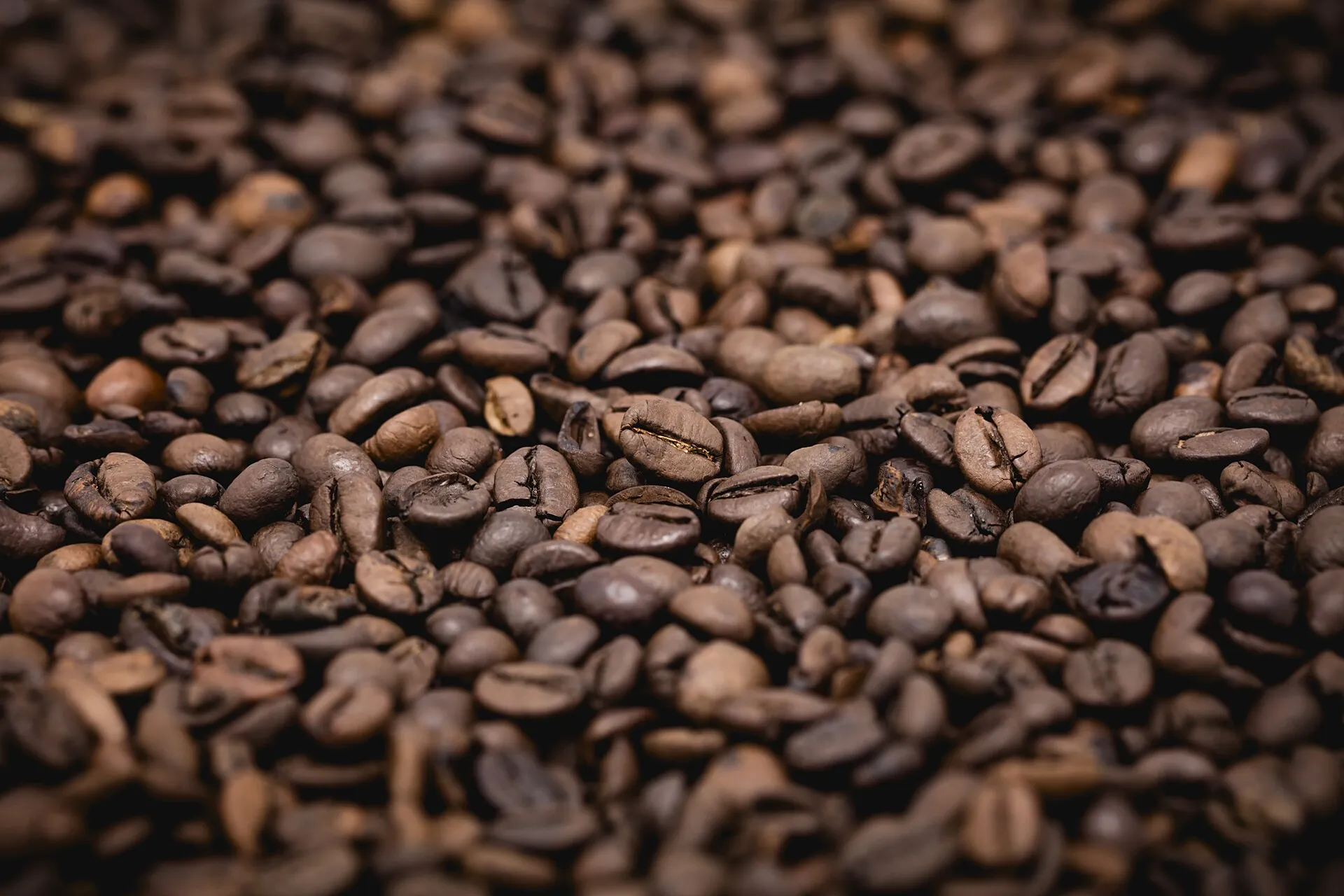
Every coffee bean is the seed of a small red cherry. Follow its journey from the farm, through harvesting, processing and roasting, to the aroma and flavour in your cup.
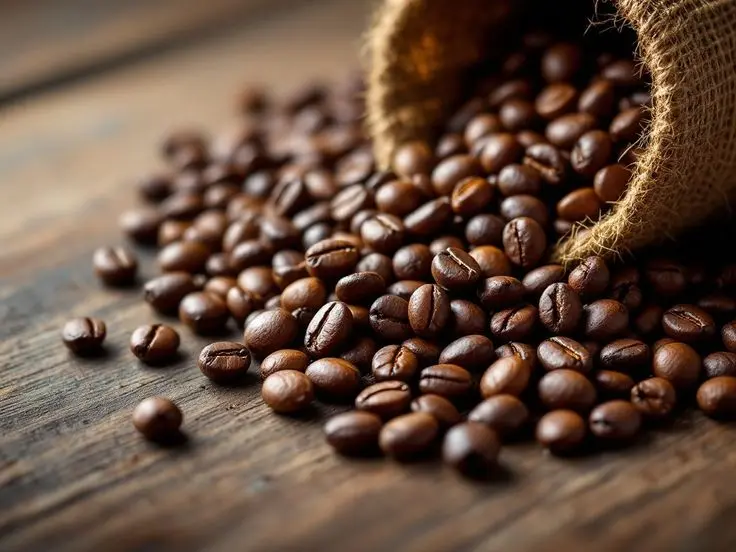
A coffee bean is the seed found inside the coffee cherry, the fruit of the coffee plant. Most cherries hold two seeds, which are cleaned and dried before they are roasted and brewed.
Along the way, the variety of the plant, the time of harvest, the way the beans are processed and the roast all shape the aroma and flavour you taste. Understanding that journey makes every cup a little more interesting.
Coffee’s earliest home is the highlands of Ethiopia, where the plant grew wild. A well-known legend tells of a goatherd who noticed his goats full of energy after eating the red cherries, though the true beginnings are lost to time.
By the 15th century, coffee was being cultivated and brewed in Yemen, where it became a drink for long evenings of prayer and conversation. Its fame travelled with pilgrims and merchants to Mecca, Cairo and Istanbul, and coffee houses became places to talk, read and trade news.
From the Middle East coffee reached Europe, and then growing regions across Asia and the Americas. Tradition holds that coffee seeds first arrived in southern India in the 17th century, and the hills of South India still grow coffee today.
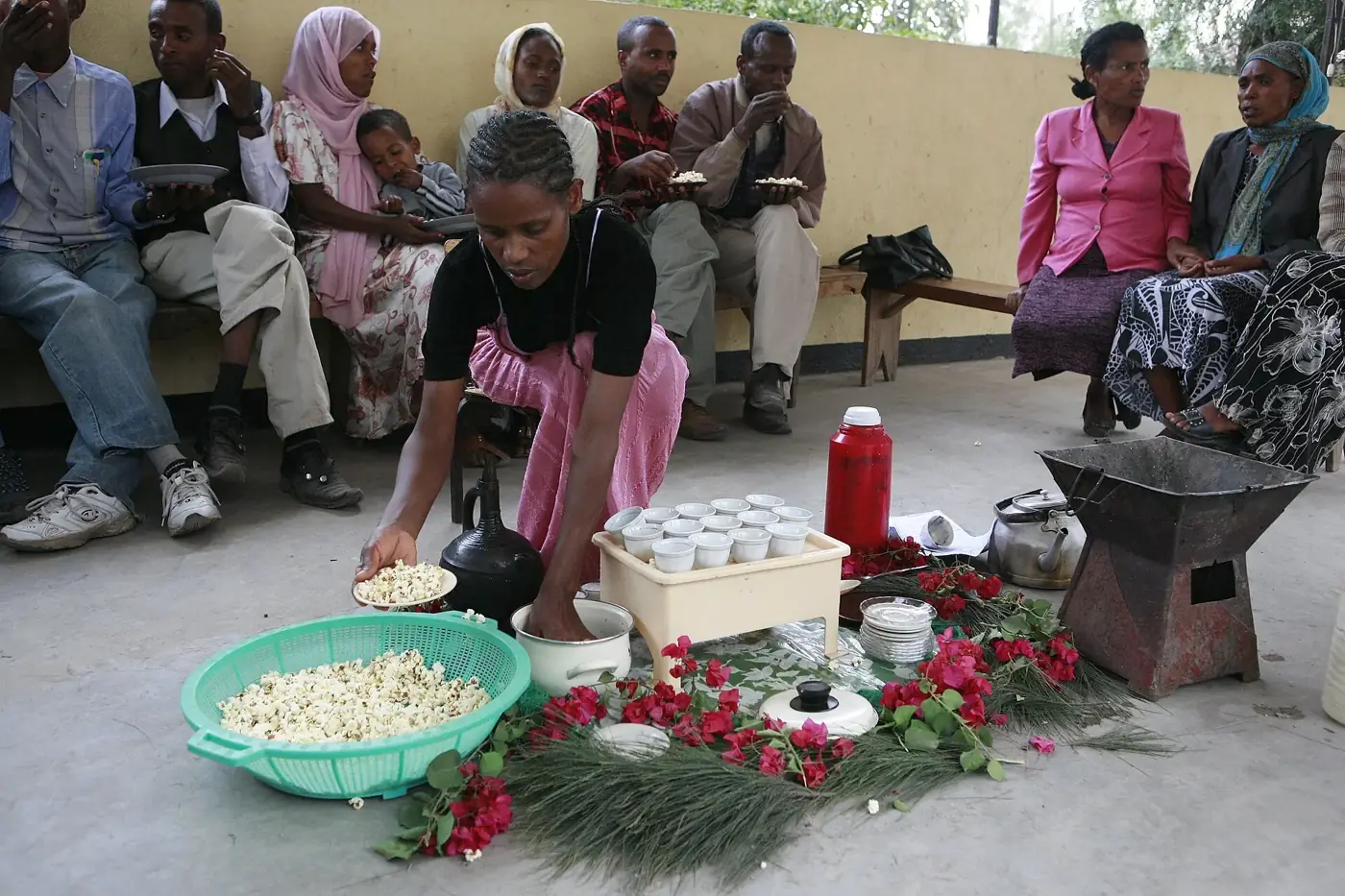
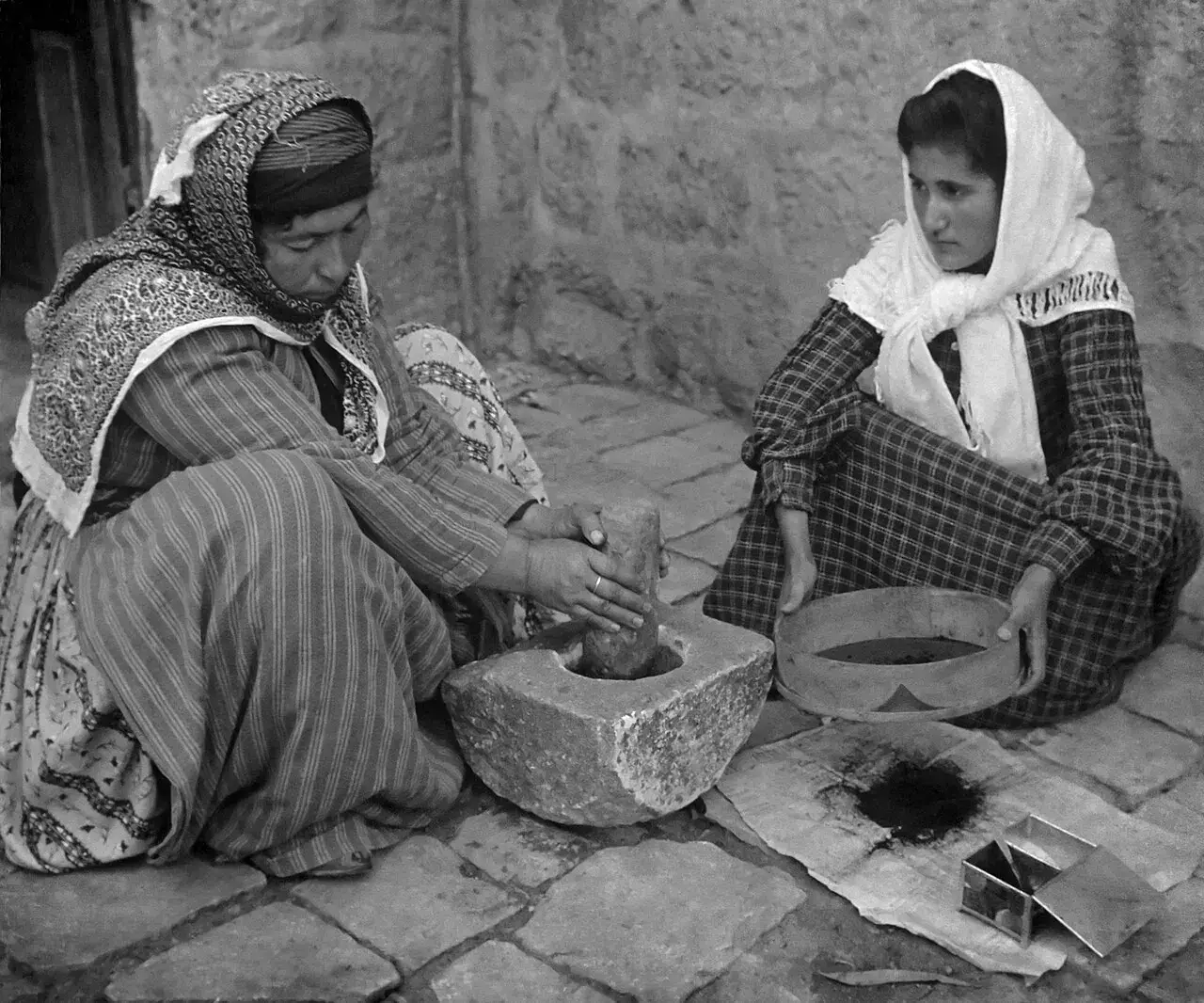
Four stages turn a fruit on a branch into the beans in your kitchen.
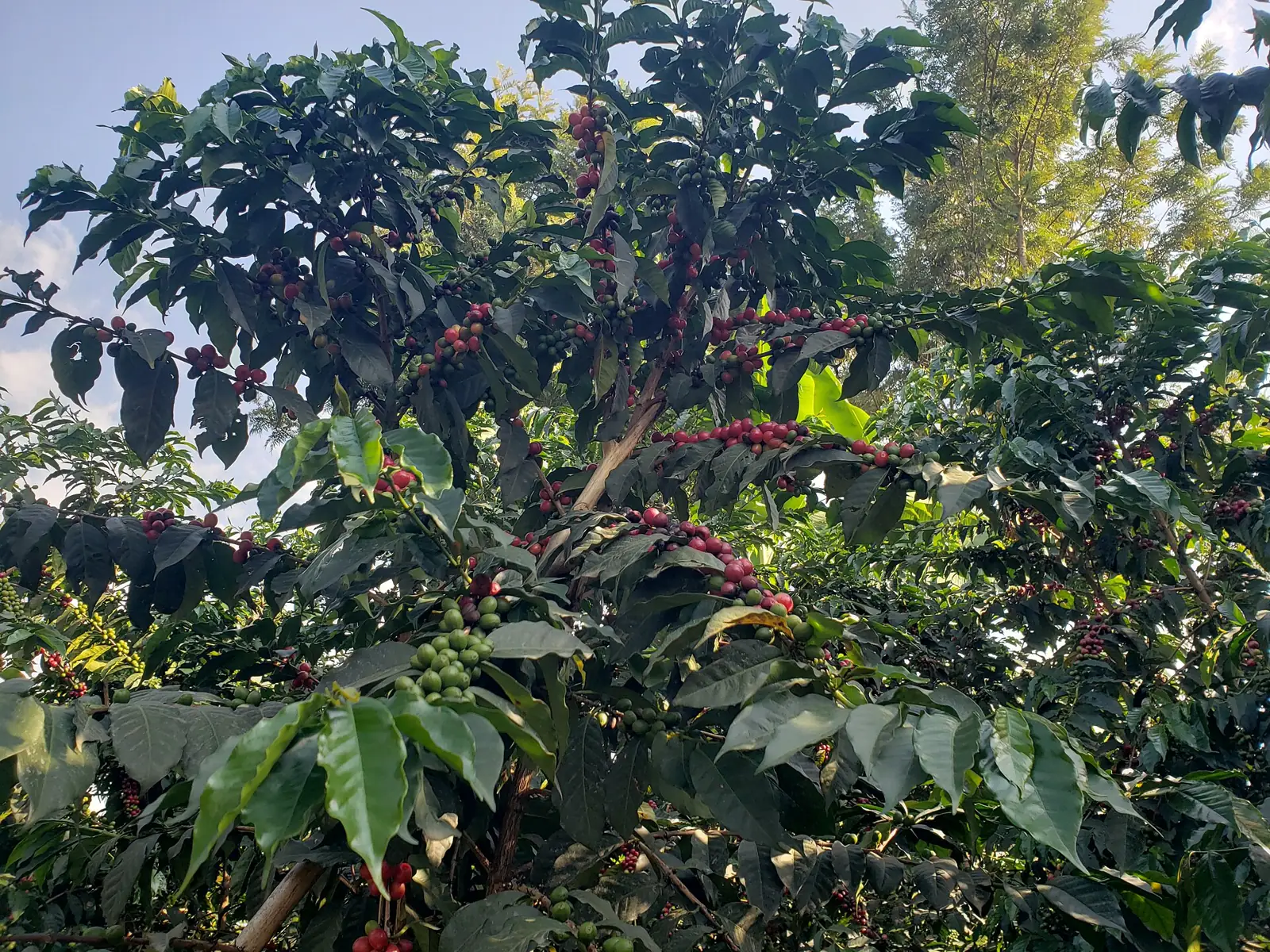
Coffee plants flower, then bear cherries that turn from green to red as they ripen over several months.
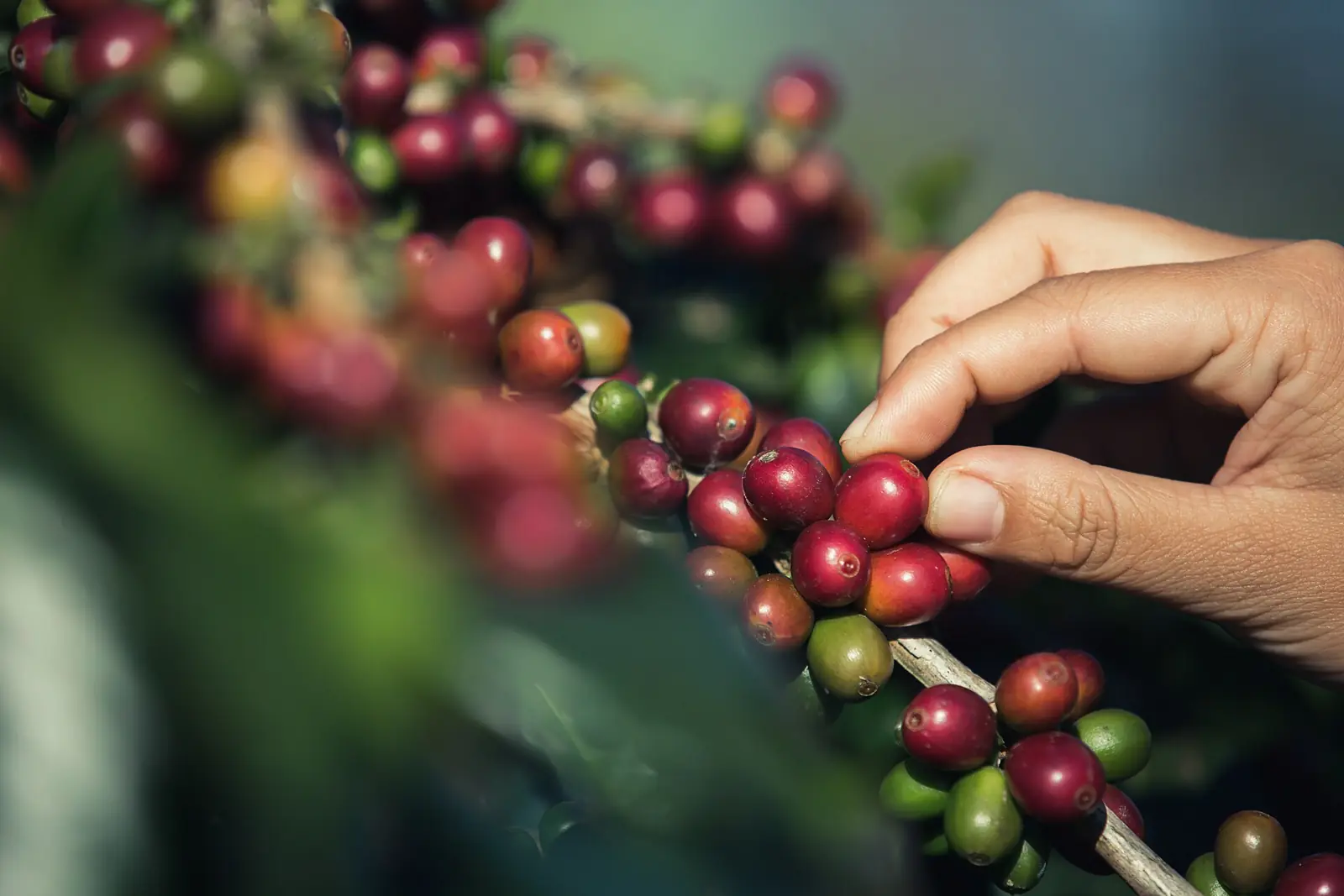
Ripe cherries are picked, often by hand. Choosing cherries at the right moment helps keep the flavour sweet and balanced.
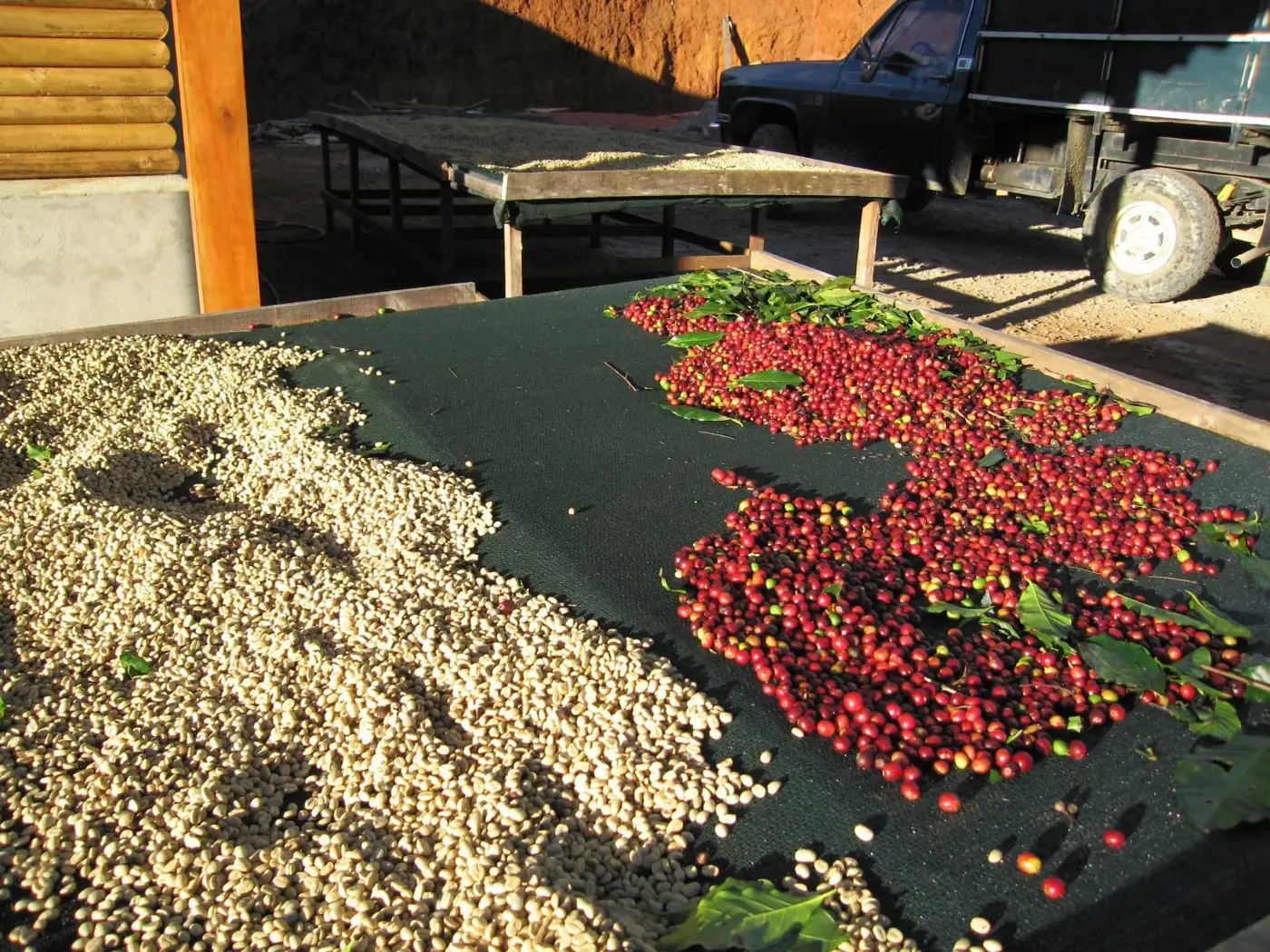
The beans are separated from the fruit and dried until they are stable enough to store and ship as green coffee.
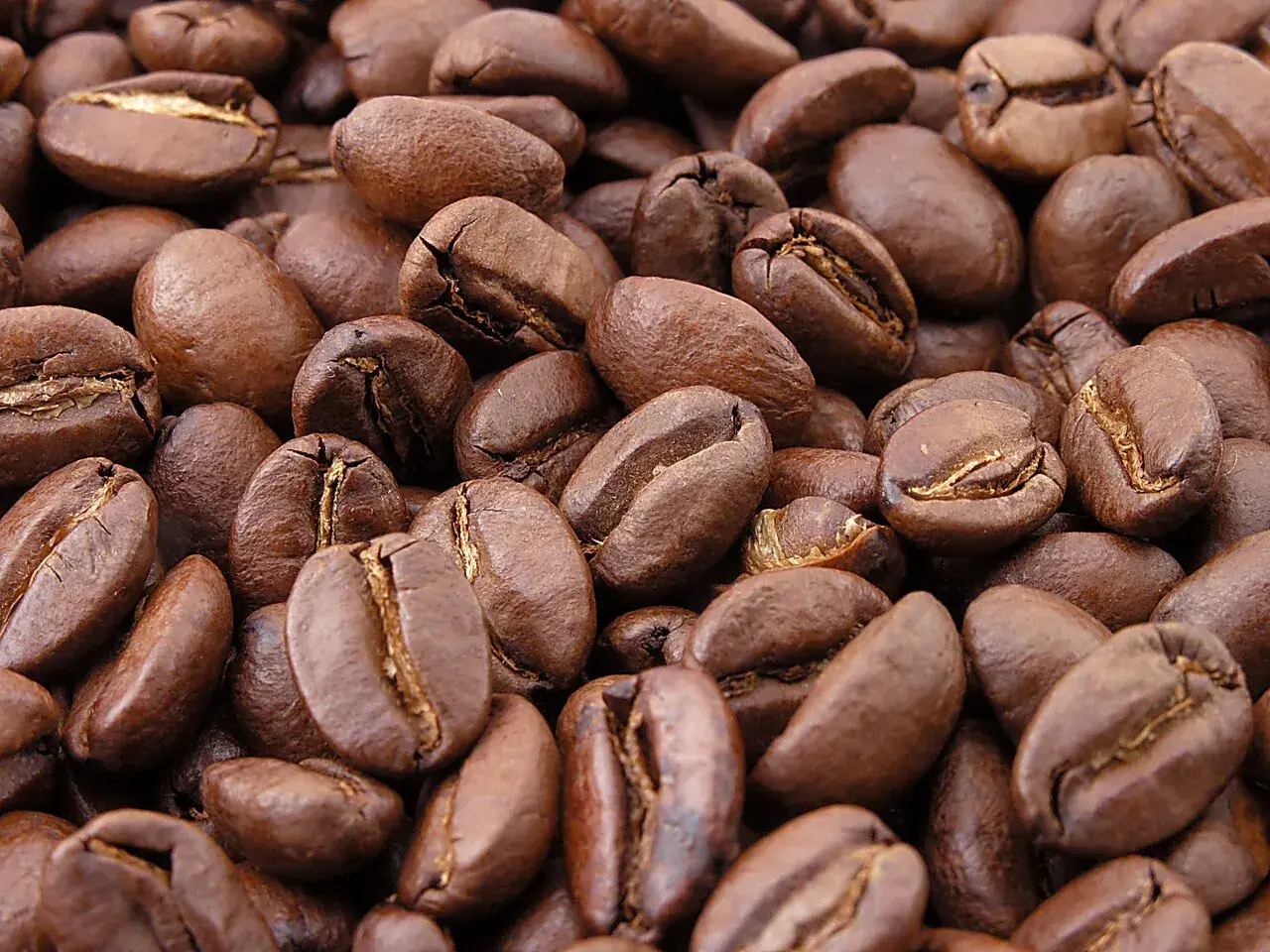
Heat turns pale green seeds brown and develops the aroma and flavour that we recognise as coffee.
Two main species explain much of the difference in what you taste.
Smooth, aromatic and sweeter
Arabica beans are typically milder and more aromatic, with a smoother body, gentle acidity and sweeter, fruitier or floral notes. They generally contain less caffeine than Robusta.
Bold, strong and bitter
Robusta beans are typically stronger and more bitter, with an earthy, nutty character and a fuller body. They generally contain noticeably more caffeine, nearly twice as much as Arabica.
Great coffee starts with freshly ground beans. With the right grind and a simple brewing method, you can enjoy a rich, aromatic cup at home.
Measure your beans: Start with approximately 15 g of coffee beans for 250 ml of water, adjusting to your taste.
Grind fresh: Grind the beans to suit your brewing method. Use a coarse grind for French press, medium for pour-over, or fine for espresso.
Prepare your water: For most manual brewing methods, use water around 90–96°C.
Brew and enjoy: Follow your chosen method’s recommended brewing time and adjust the strength to your preference.
Coffee tip: Keep whole beans in an airtight container in a cool, dry place away from direct sunlight.
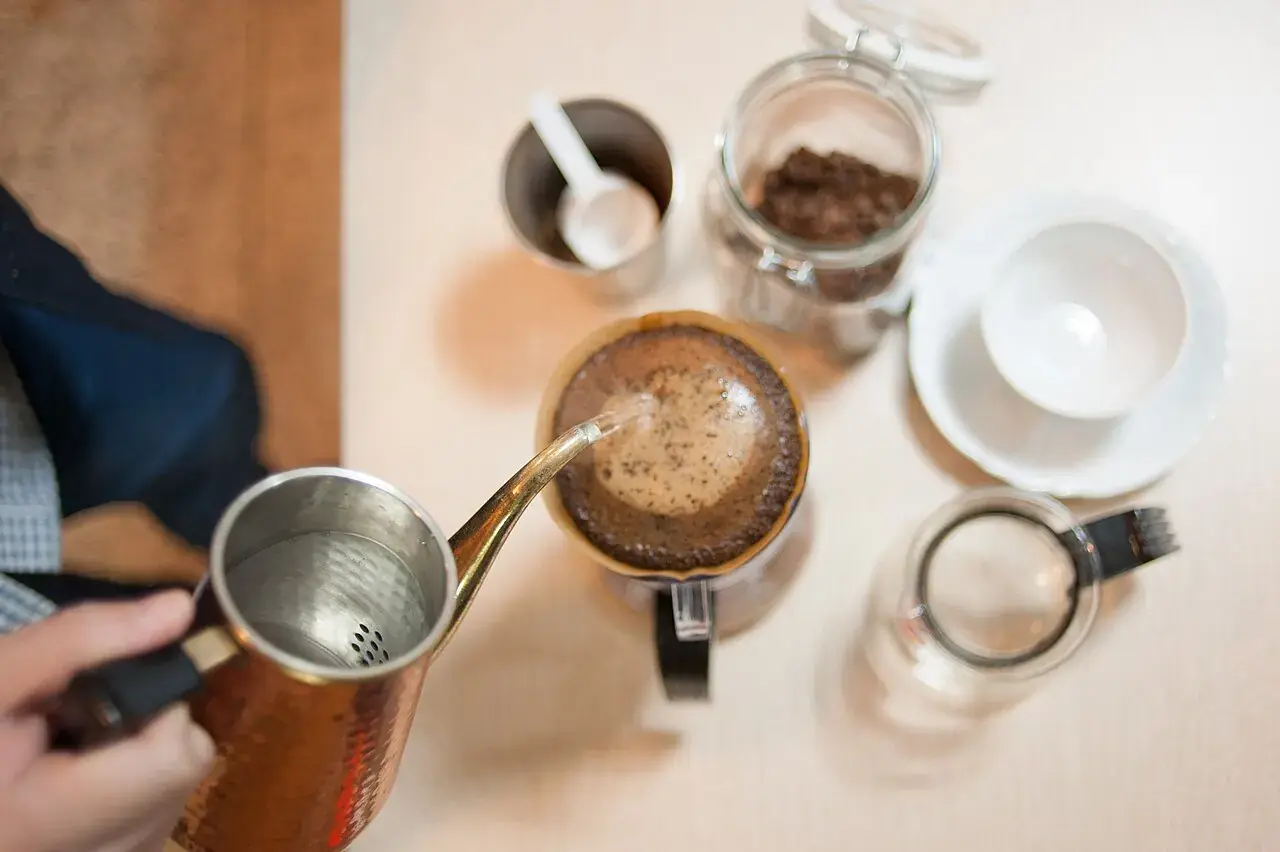
Whole coffee beans retain their aroma longer when stored properly, giving you more control over freshness, grind size, and the perfect brew.
Grinding just before brewing keeps more of the aroma for your cup.
Choose a coarse, medium or fine grind to suit each brewing method.
One bag of beans can be brewed in a French press today and a pour-over tomorrow.
Explore our coffee bean collection and find the right choice for your everyday cup.
Price not set
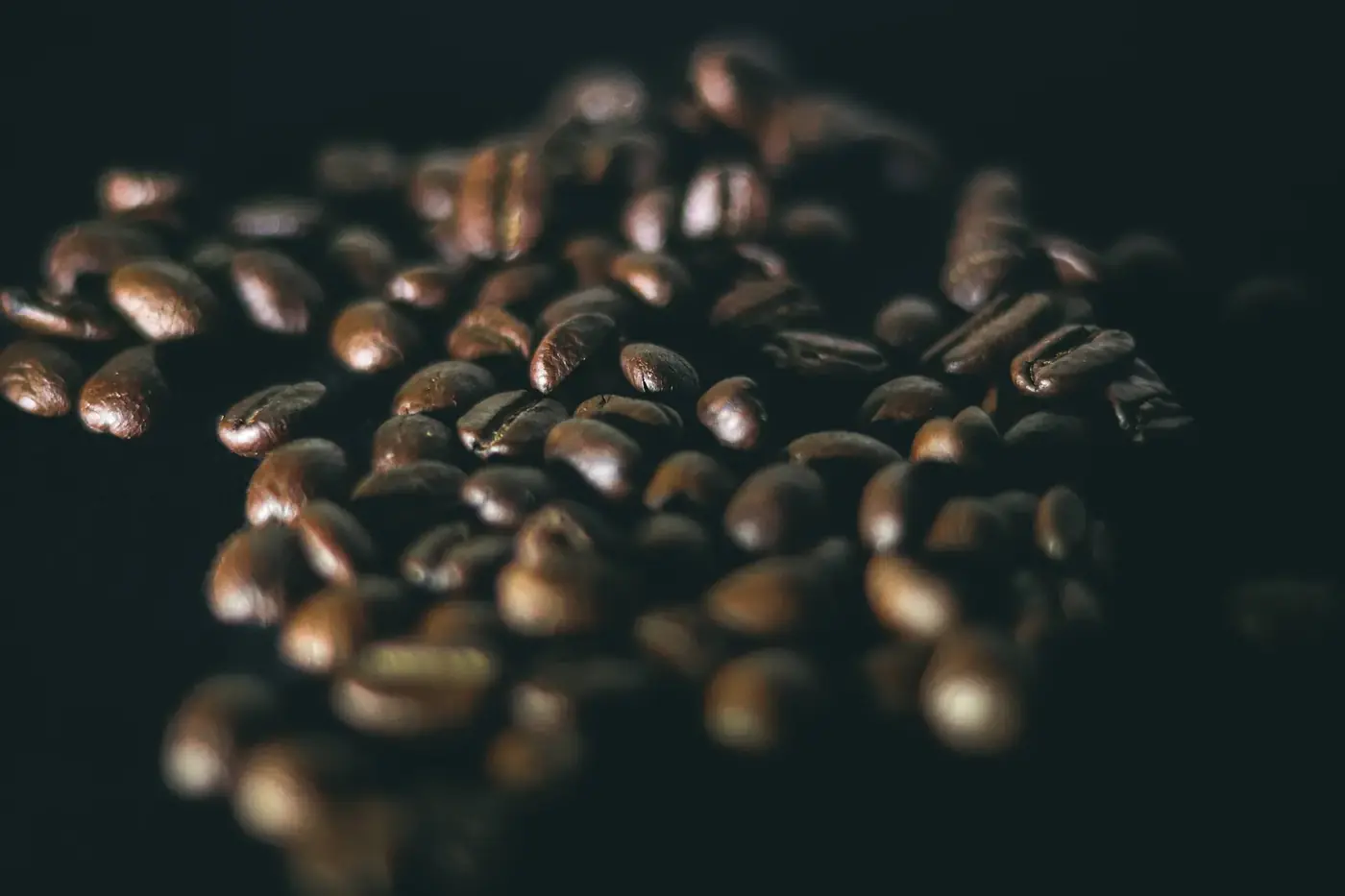
Grind fresh, brew your way, and taste the difference whole coffee beans can make.
Explore Coffee Beans